Haramaya University participated on a Workshop on Cocreating Engineering Biology Curriculum for Climate Resilience and Sustainability in Africa
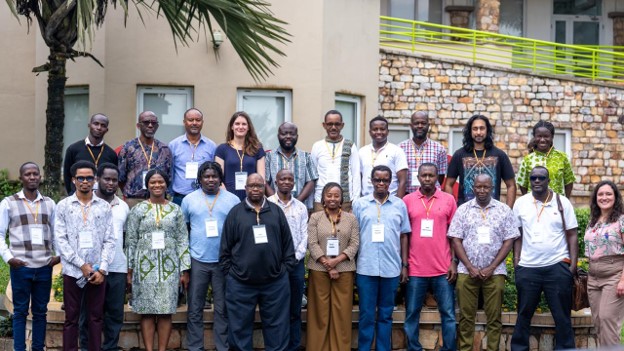
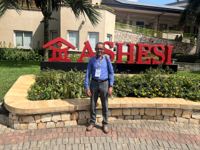
Haramaya University, through its Africa Center of Excellence for Climate Smart Agriculture and Biodiversity Conservation has been represented by Dr. Bobe Bedadi, Director of the Center, on a Workshop aimed at cocreating an Engineering Biology curriculum for Climate Resilience and Sustainability in Africa conducted at Ashesi University, Ghana, from 14-16 October 2026. The workshop was initiated by Cambridge University in England in collaboration with Ashesi University in Ghana through a financial support of the Mastercard Foundation. The workshop brought together multidisciplinary professionals including educators, researchers, and practitioners from across Africa, and International organizations from Europe, North America, and South America to co-create a modular, postgraduate-level curriculum in engineering biology, grounded in African priorities for climate resilience, sustainability, and bioeconomy development. It has been indicated that Engineering biology has enormous potential to contribute to climate-resilient agriculture, sustainable manufacturing, environmental monitoring, and public health. However, there remains a significant gap in postgraduate training that integrates biological science, engineering approaches, and real-world application in African contexts.
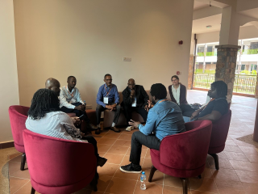
Over the three days, participants collaboratively identified core knowledge and skills for the next generation of African engineering biology leaders; shared best practices and challenges in interdisciplinary postgraduate teaching; developed draft curriculum modules and case studies tailored to climate and sustainability challenges; and built networks and mentoring relationships to support longer-term collaboration and capacity building.
The workshop was highly interactive, combining expert inputs with facilitated discussions, curriculum sprints, and structured reflection. Outcomes of the workshop include a draft open-access curriculum framework and plans for piloting selected skills modules at some participating institutions.
The workshop also created an opportunity for experience sharing and networking with researchers from different parts of the World for potential future collaborations.